Showing posts with label Hamline University Low Residency MFA in Writing for Children and Young Adults. Show all posts

Wednesday, July 13, 2011

"We all go to the same silence." Marilyn Nelson


Marilyn Nelson read here at Hamline yesterday and, during an informal discussion, said that we can grow our capacity for compassion and empathy by meditating. "We all go to the same silence," she said.

And we were silent in thinking about those words.

Wednesday, July 6, 2011

Writing and seeing


Packing notebooks, books, manuscripts, computer for the residency at Hamline University's Low Residency Program in Writing for Children and Young Adults, which starts tomorrow. Eleven days of intensive thinking, talking, writing about telling stories for young readers.

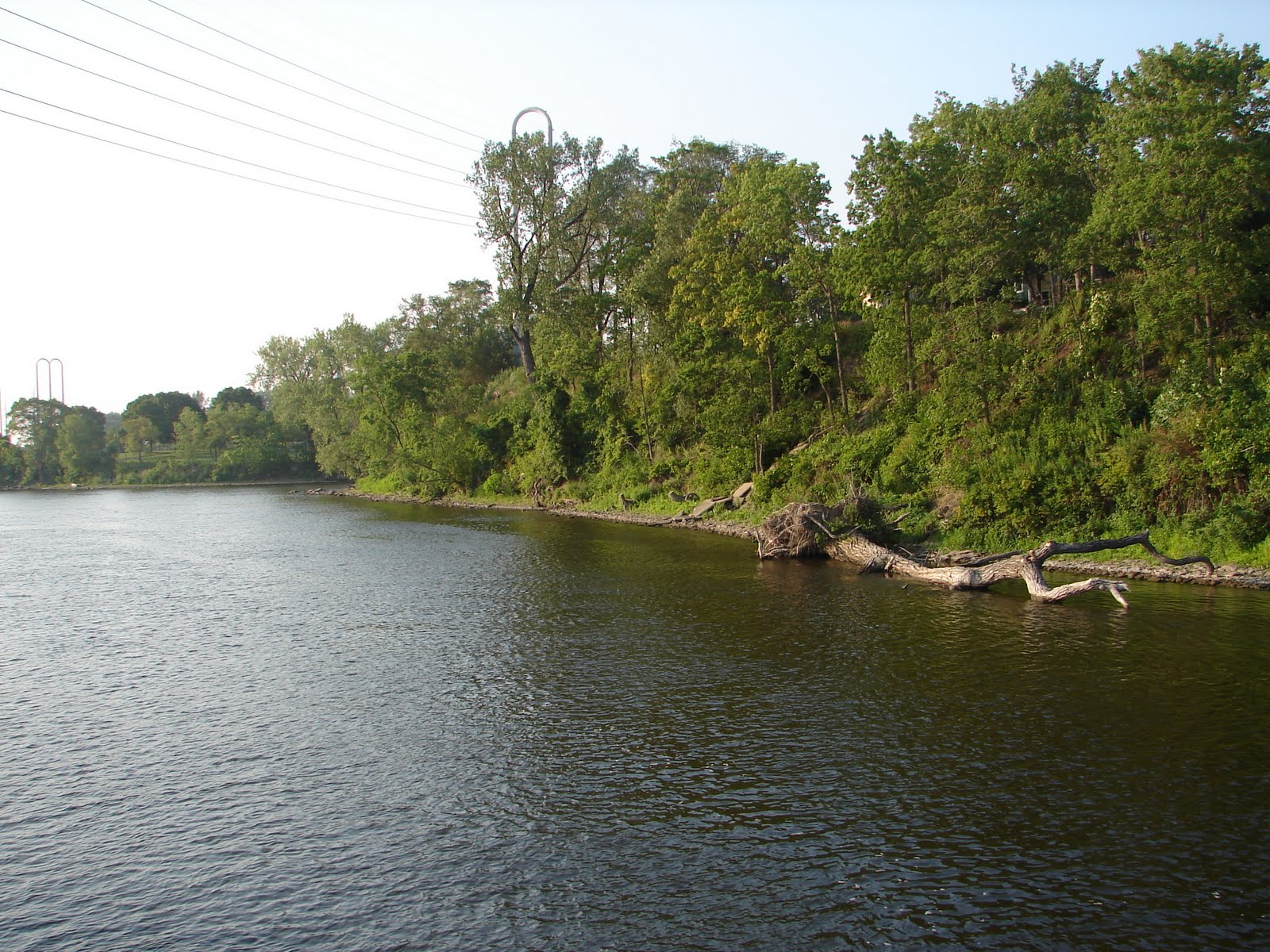
But it's not all about writing. It's about seeing--floating on the Mississippi River, walking past flower beds and beds in flower beds . It's about catching up with long-time friends and finding new friends.

I'll try to keep you posted.

Sunday, January 16, 2011

Creating characters in a cold month


I could travel to Tibet and back in the time since I wrote on this blog. But that's not where I've been. First, there were the holidays and some wonderful family time. And then a deft segue to the Hamline University Low Residency MFA in Writing for Children and Young Adults (January 6-17). It's been a wonderful ten days. We've been talking about character--how writers of all ages can create and write about characters.

Phyllis Root and I did a workshop together about picture book characters and emphasized how we, as readers, care about characters who have a yearning. Wilson Bentley had a yearning, a passion, to photograph snowflakes. In M.T. Anderson's book STRANGE MR SATIE (Viking, 2003) the composer Erik Satie had a yearning to create a new kind of music. But it's not just real characters who have yearnings. For example, in Amy Hest's IN THE RAIN WITH BABY DUCK Baby Duck has a yearning to see Grandpa and eat pancakes, but--she hates rain. Phyllis and I also talked about how we might bring readers to care about non-human characters such as chiru and bogs (The Big Belching Bog, University of Minnesota Press, 2010). We try to include details that readers can connect with. Also regarding picture books, Marsha Chall gave us a tour through a huge gallery of anthropomorphic characters.

Anne Ursu gave a wonderful talk about "the hero's journey." Liza Ketchum showed us all how to make our characters more rounded by including details of their work lives in our writing. Claire Rudolph Murphy had us writing about characters who are antagonists. Kelly Easton helped us hone our skills in defining our characters by dialogue and the way they talk. Jane Resh Thomas helped us to look in our own lives for characters worth writing about. And Marsha Qualey reminded us of the protagonist who is paralyzed, who cannot act and how we can keep readers turning the page, even when the protagonist is doing little. For anyone who wants to write, young or old, it's good to listen to people talking, to practice writing dialogue, to notice characters at the bus stop, standing in line at the bakery, to imagine lives and stories for them, patterns of speech, likes and dislikes.

Sometimes when I have been writing with students I have taken calendar photographs of animals to a classroom and we have talked about what kind of dog this might be, what this dog might love to do, or avoid doing. We bring details from our own lives and our own pets to these discussions, just as all writers do when they are writing, and we are surprised by what we think of to add.

And yesterday in his graduation speech Gary Schmidt reminded us, in a moving speech, that writers must notice the world, must love the world and love their readers.


And now it's back home to write some characters.

Wednesday, August 4, 2010


Ten days of intense focus on writing and story leave all of us who attend the Hamline MFA in writing for children and young adults residency with much to think about.

Recently, I have been remembering the wonderful presentation by Lauren Stringer (on the left in the photo) and Wendy Orr. They told us the stories behind the story of their new book--THE PRINCESS AND THE PANTHER (Beach Lane Books, July, 2010). I especially enjoyed hearing that Wendy first thought about writing a story of kids sleeping outside about twenty-five years ago. The idea evolved--a boy was dropped, maybesaved for another story, a cat was added. Sometimes it takes a while for us to realize where the story is. But if we love the story enough we stay with it. Wendy did love the story of a child being brave and sleeping outside. When the manuscript was bought Lauren came on the scene. Her "panther" was the crowning touch. This is a true collaborative effort and a lovely book.

THE CHIRU OF HIGH TIBET was not twenty five years a-borning but it certainly did evolve in the writing. Even with non-fiction, a writer chooses how to tell the story, where to begin, what must be included, what can be dropped to move the story along. (Some major cutting, from my original telling, was required so I did not keep readers too long in the "gorge of despair.") So much of writing is revising, especially for picture books. We don't have many words, so each word has to be just right, has to sound just right and carry just the right meaning. Much of my revision is about cutting. For example, here's a first-draft description of chiru wool:

Chiru wool is the finest and warmest in the world.
There's a rough outer layer and an undercoat.
The hairs on the chiru undercoat
are thinner than human hair and mean
chiru can survive at termperatures
so cold a potato would freeze in minutes.

That eventually became:

Chiru have special wool--the warmest and finest in the world--
called shahtoosh, king of wools.

In picture book texts, less is often more.

And this book, like THE PRINCESS AND HER PANTHER, was a true collaborative effort. Linda Wingerter has always been fascinated with Tibet. It shows in her wonderful illustrations, beautiful paintings that bring to the book the feeling of mystery that is so much a part of Tibet. Her book jacket illustration (from inside the book) is a visual summary of the story.

Friday, July 16, 2010


July on the Mississippi.
Students and faculty took a night off and went out on the river. I was not speedy enough with my camera to photograph the two herons that I saw, but they were there on the river, in the heart of the city. We had banjo music,a nice breeze, and even one red kayak. A lovely evening.